2026-09-04 ·
Choosing Dumpster Size for Kansas City Home Projects
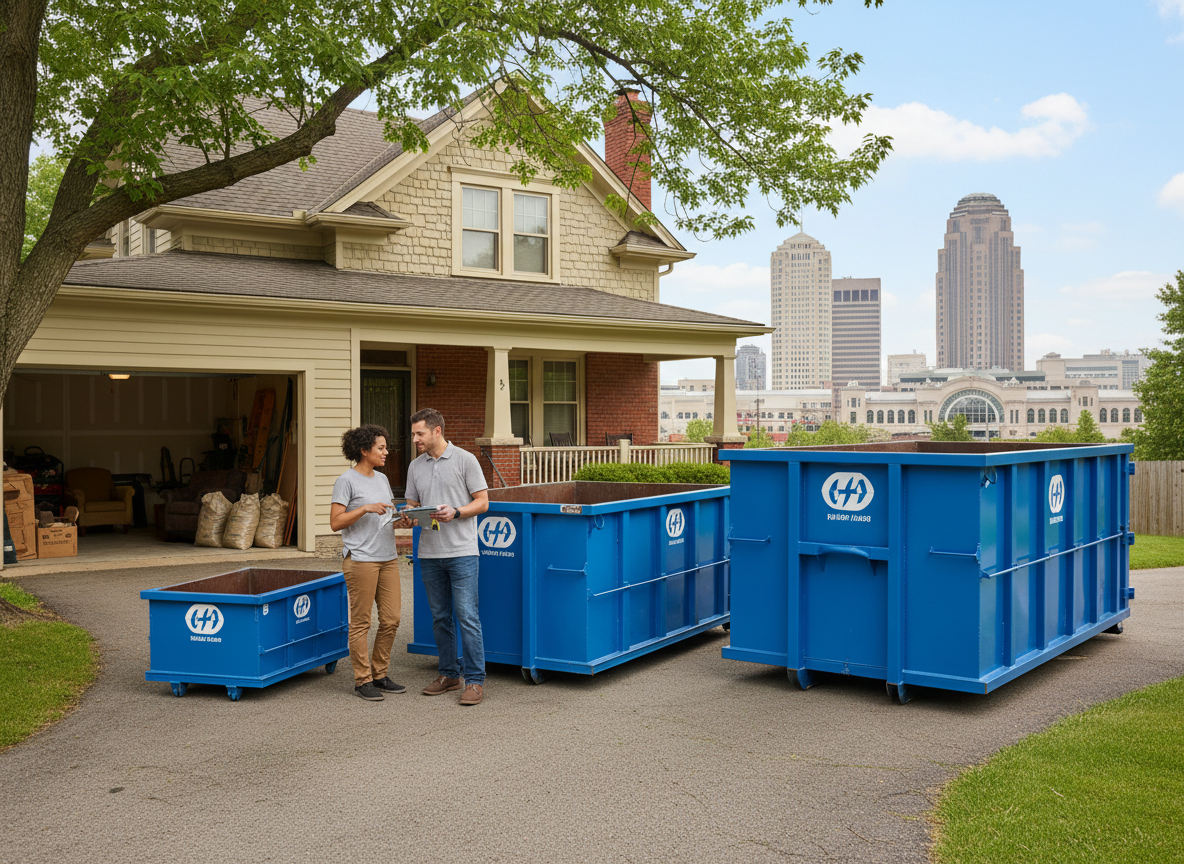
For most Kansas City home projects such as kitchen remodels or basement cleanouts, a 10- to 20-yard roll-off dumpster covers the volume without excess cost or space issues. This range fits the scale of work common in Jackson County, where many homes date to the early 1900s and generate mixed debris from plaster, wood, and fixtures. Projects in denser spots like Hyde Park or Valentine often stay under 15 yards because lots limit truck access and driveway placement. Larger 30-yard units suit whole-home renovations in areas with bigger yards, such as Waldo or Roanoke, but only when the job spans multiple weeks. Weather adds another layer since humid continental conditions bring sudden thunderstorms that can waterlog loads and increase weight limits.
Matching Sizes to Common Home Projects
Kitchen and bath updates in Midtown or Country Club Plaza homes usually produce 8 to 12 yards of waste from cabinets, tile, and drywall. A 10-yard roll-off dumpster works well here because it fits narrow driveways while staying under typical weight allowances. Basement or attic cleanouts in older brick structures around Brookside or East Bottoms often require 15 to 20 yards once insulation, flooring, and stored items are added. Whole-house renovations or garage rebuilds in Independence or Lee’s Summit push toward 20- to 30-yard units when crews remove siding, roofing, and concrete. Always measure the debris pile before ordering because overfilling triggers extra fees and return trips. Local crews see these patterns repeat across seasons, with spring projects in Westport generating lighter loads than fall roof work in North Kansas City.
Local Housing Stock and Terrain Effects
Jackson County neighborhoods contain many two-story brick homes built before 1950, which means narrow alleys and steep driveways that restrict larger roll-off dumpster placement. In Hyde Park and the Crossroads, tight lots force 10-yard units parked on the street with permits. Waldo and Brookside properties often allow 15- to 20-yard dumpsters on side yards because lots extend farther from the curb. Soil conditions after heavy rain soften ground in River Market and East Bottoms, requiring plywood under the container to prevent sinking. Terrain near the Missouri River bluffs adds slope challenges that crews account for when positioning units in the North Kansas City area. These physical realities directly determine whether a project needs one small dumpster or two medium ones staged over time.
Weather and Seasonal Size Adjustments
Hot summers increase yard waste from landscaping in Overland Park and Lee’s Summit, pushing some homeowners toward 20-yard units for branches and sod. Cold winters freeze soil and limit access in Valentine and Roanoke, so smaller 10-yard roll-off dumpsters become practical because they maneuver better on icy surfaces. Frequent severe thunderstorms generate sudden storm debris that can double expected volume overnight, as detailed in Managing Storm Debris with Dumpster Rental After Kansas City Weather. Winter Dumpster Rental Tips for Kansas City covers how snow loads affect container weight and scheduling. Planning around these patterns prevents delays when ordering for projects near the Nelson-Atkins Museum of Art or Kauffman Center for the Performing Arts.
Cost and Volume Planning Steps
Start by listing every material type and estimating cubic yards using the 1-2-3 rule: one cubic yard equals a 3-foot by 3-foot by 3-foot pile. Add 20 percent buffer for hidden items uncovered during demolition in older Jackson County homes. Compare that total against standard sizes: 10 yards for small baths, 15 yards for kitchens plus flooring, 20 yards for multi-room work. Review Dumpster Rental Cost Factors for Kansas City Renovations to see how weight, duration, and location adjust final pricing. Schedule delivery 24/7 through Muhammad Dumpster Rental Kansas City so the unit arrives the morning work begins rather than sitting empty. Confirm street permits in advance for placements in Westport or the Crossroads where sidewalk rules apply.
Avoiding Over or Under Sizing
Ordering too small forces mid-project swaps that add fees and slow progress on jobs in Midtown or Hyde Park. Too large wastes money on unused space and can violate weight rules when wet debris from thunderstorms is added. Measure the actual pile on site rather than relying on contractor estimates alone. Check local landfill rules in Independence and Lee’s Summit because some materials like concrete require separate smaller loads. Crews with years of work in these neighborhoods learn to stage two 10-yard units instead of one oversized container when access is tight. This approach keeps projects moving smoothly across the varied terrain and housing stock found throughout the metro.